Episodes
Aug. 12, 2025
Communists and NY's Hotel Workers Union
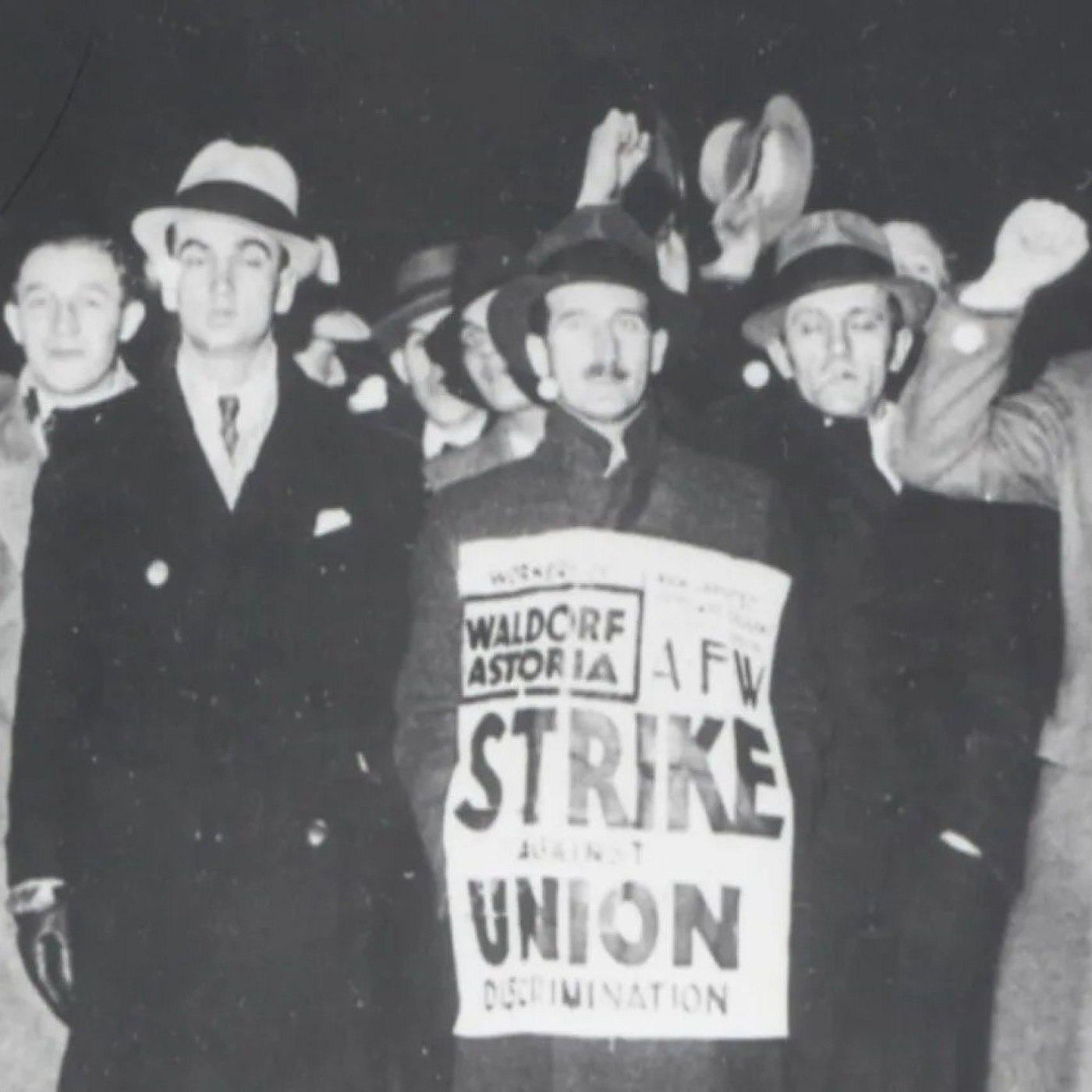
In 1912, a strike of 18,000 restaurant and hotel workers in New York City birthed the Hotel and Restaurant Employees International, a union representing tens of thousands of Manhattan’s service workers. The union still exists today as Local 6 of the Hotel and Gaming Trades Council, AFL-CIO and remains one of the NYC strongest unions. But why is the Eurasian Knot featuring a story about an American trade union? Because the history of the American labor movement in the early 20th century cannot be...
Aug. 4, 2025
City Symphonies
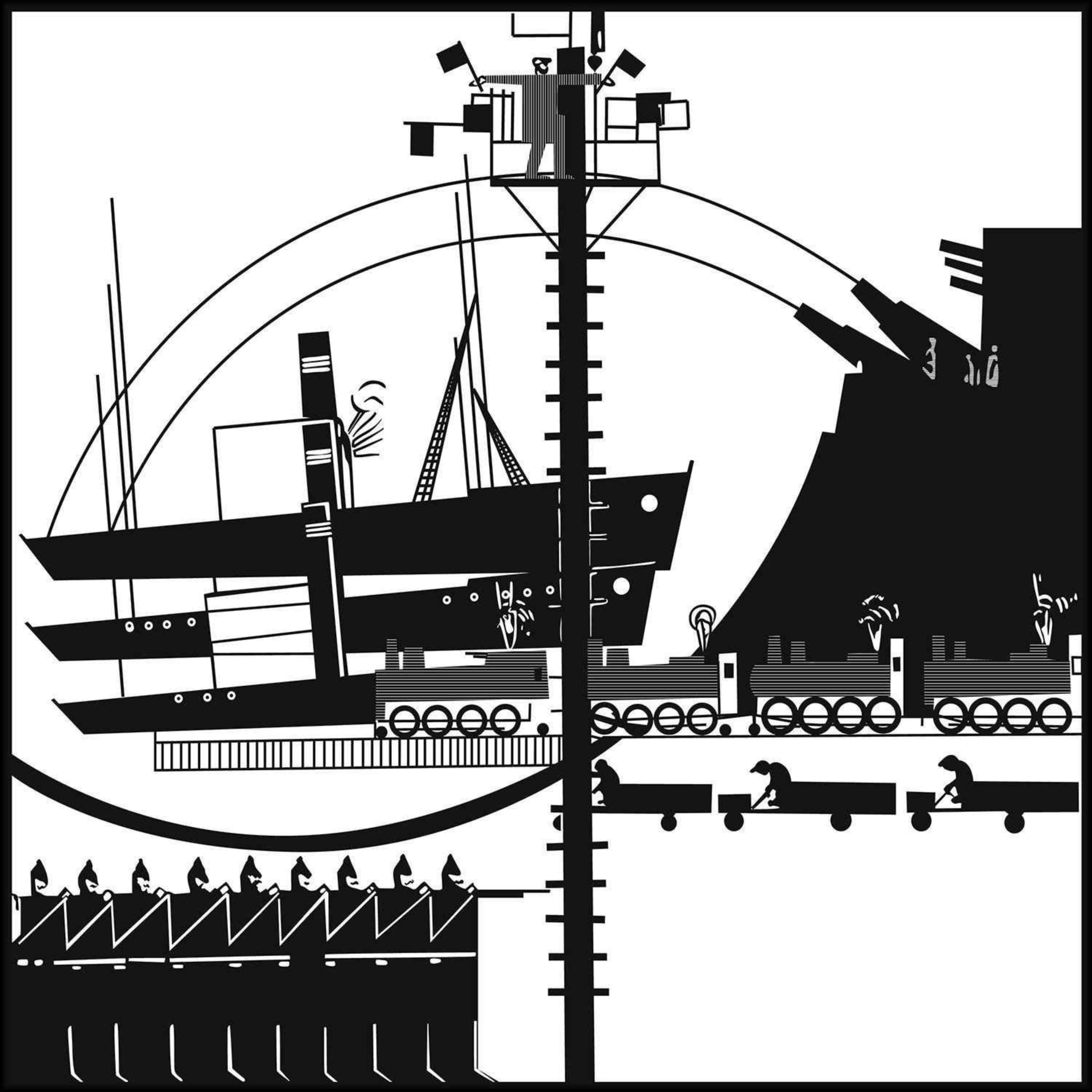
What does it mean for the city to be a symphony? True, city symphonies are a silent film genre best represented by Dziga Vertov and Walter Ruttmann. These early silent films tried to capture the “sound” of the city by editing images symphonically–to give the viewer a sense of the urban soundscape. But, as Daniel Schwartz explains, early 20th century avant-garde artists broadened the city symphony beyond the “silent” and into a full-fledged multimedia experiment. Some, like Luigi Russolo, pushed ...
July 22, 2025
Russia's 1993 Constitutional Crisis
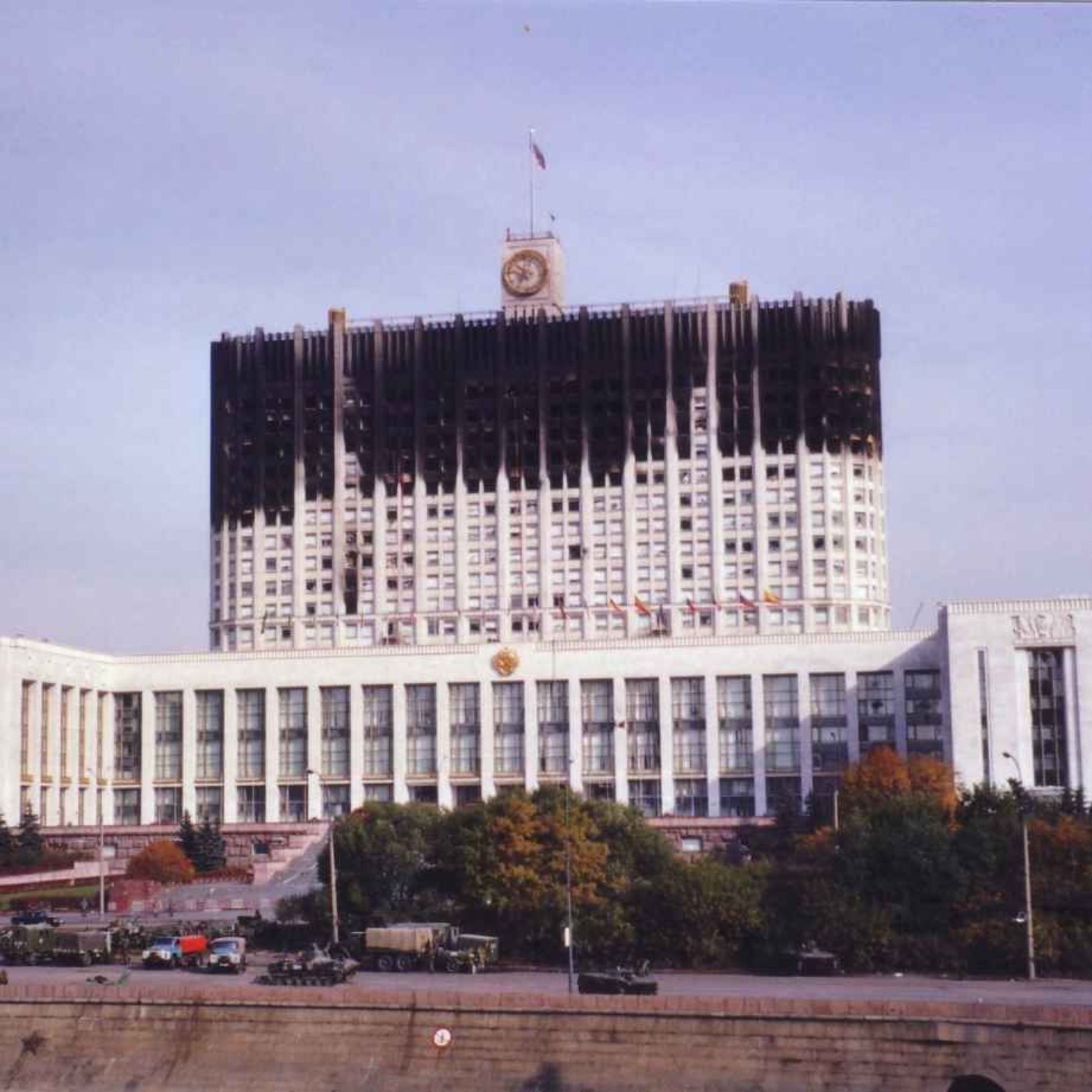
In early October 1993, tanks pummeled the Russian Duma in central Moscow. It was a dark mirror of just two years prior when Boris Yeltsin definitely climbed atop a tank and made history. Now, tanks were again Yeltsin’s historical instrument. Only this time, they were his. The 1993 Russian Constitutional Crisis was a turning point in the country’s post-Soviet transformation. The popular narrative was Russian Democrats repelling Russian nationalists and communists. The future vs. the past. And the...
July 7, 2025
Anthropology of Oil
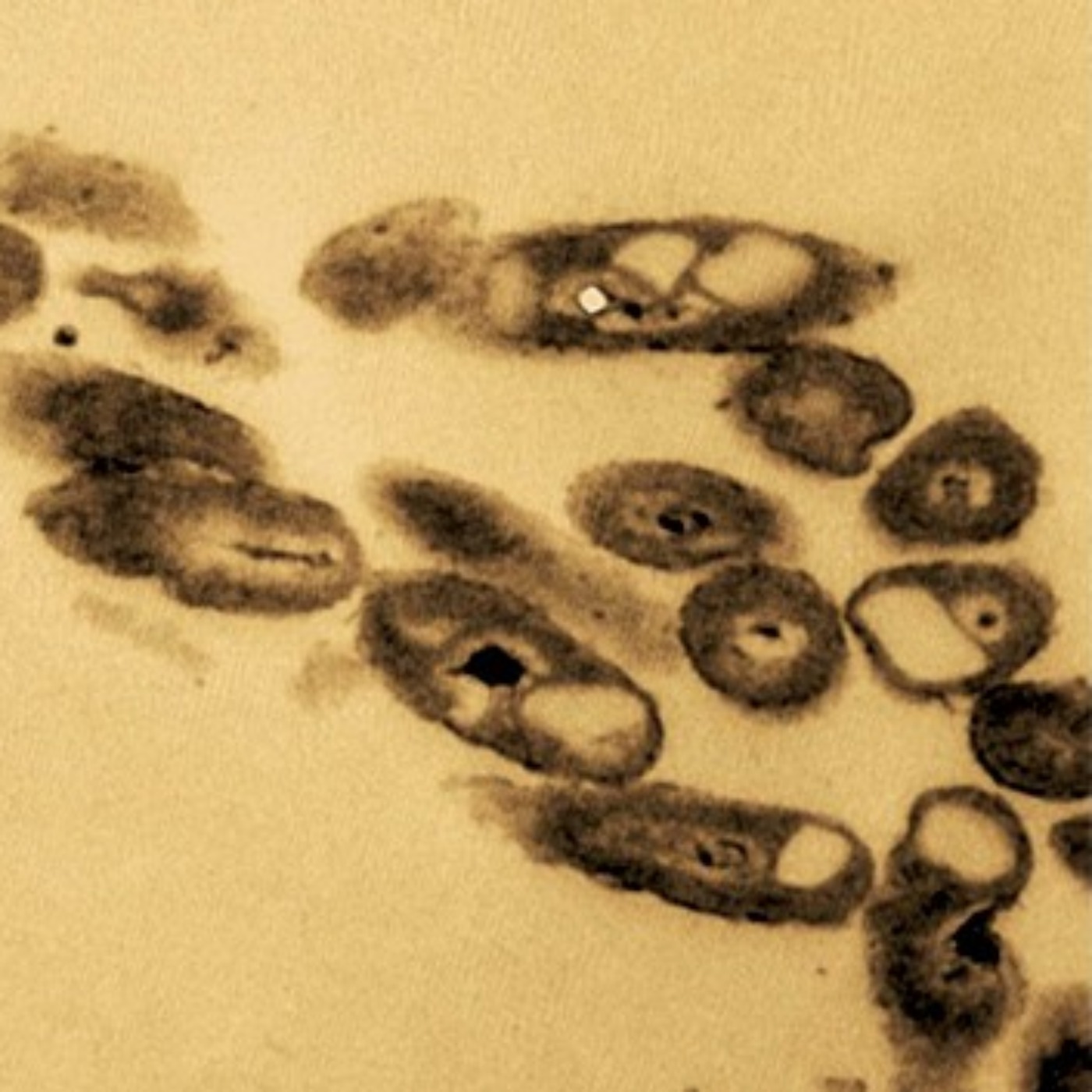
Yale anthropologist Doug Rogers visited Pitt back in April. The Eurasian Knot couldn’t resist pulling him into the studio. Doug was one of the earliest guests on the show. So it was about time to reconnect and have a wide ranging conversation about his work on oil and corporations in Russia. Now he’s looking into experiments with hydrocarbonoclastic bacteria–germs that eat oil. We survey Doug’s career. The pull of anthropology and the nexus of oil, corporations, and civil society in Russia. And ...
July 1, 2025
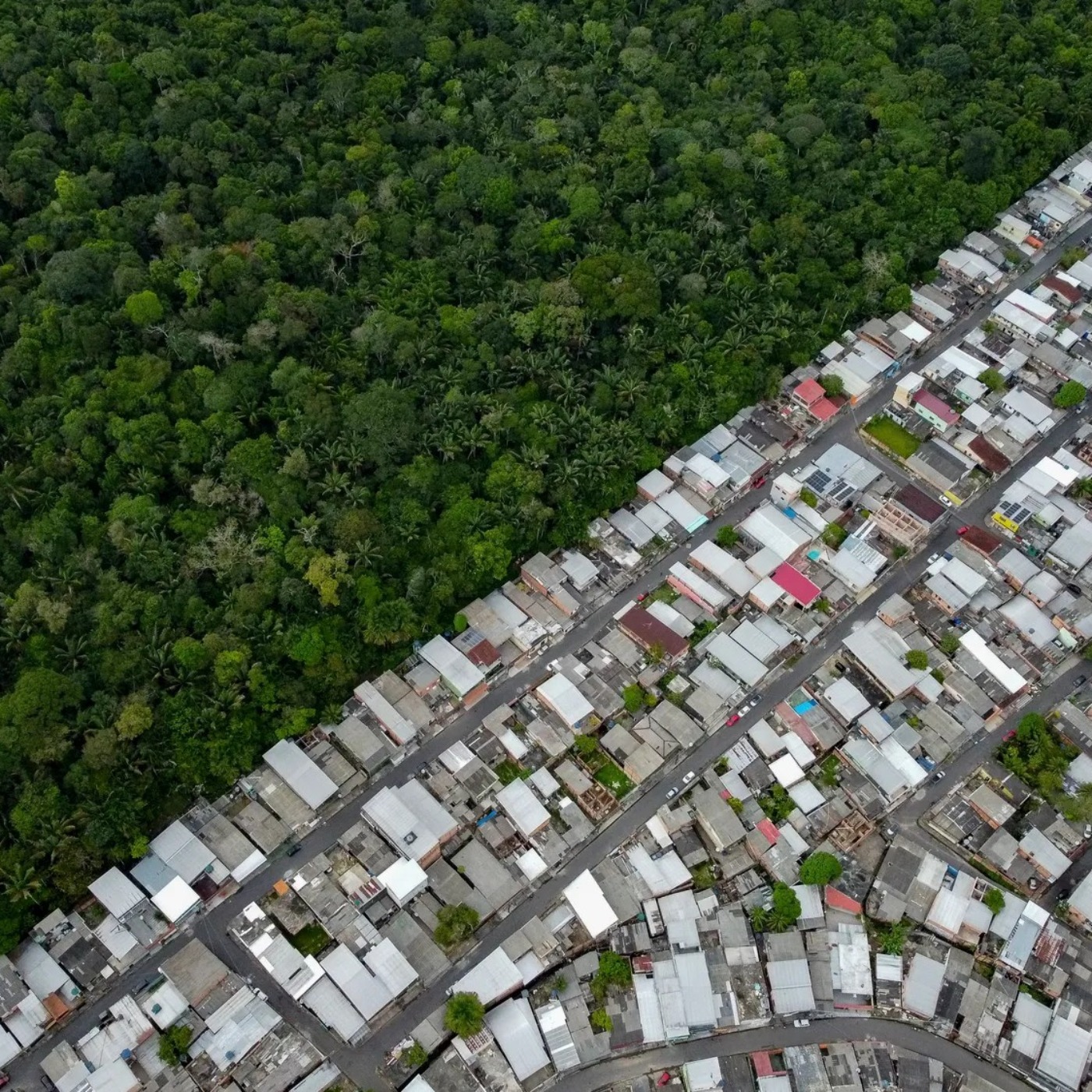
Green Cities in the USSR and Brazil
What makes a city happy? That is, what makes a city livable and responsive to humans’ physical, emotional and cultural needs? Over the last century, city planners have turned to the maintenance of green spaces within urban jungles to address these issues. In this final event for Pitt REEES’ Eurasian Environments series, the Eurasian Knot paired Maria Taylor and Roberta Mendonca De Carvalho to discuss green cities from two different contexts. Taylor researches mid-20th century efforts to green So...
June 16, 2025
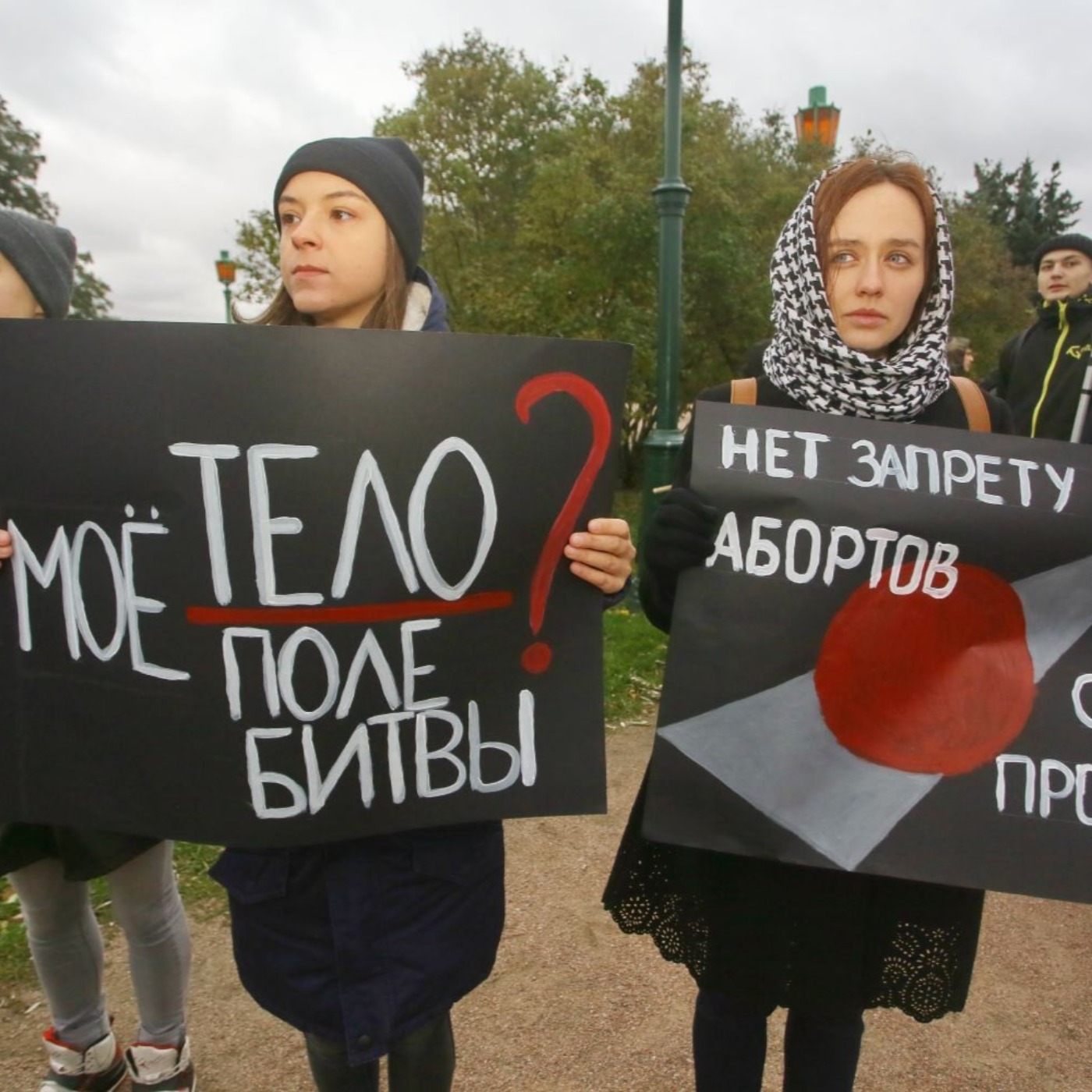
Abortion (Bio)politics in Russia
In the waning decades of the Soviet Union, abortion was the main form of birth control. For example, official statistics from the late 1970s report that there were 250-270 abortions per 100 live births. It’s an astounding number. It points to a key paradox of state socialism and reproductive health: Abortion in the USSR was widely available, but mainly because the state couldn’t provide basic contraceptives. But the collapse of the Soviet system didn’t produce many remedies–Women now had acce...
June 2, 2025
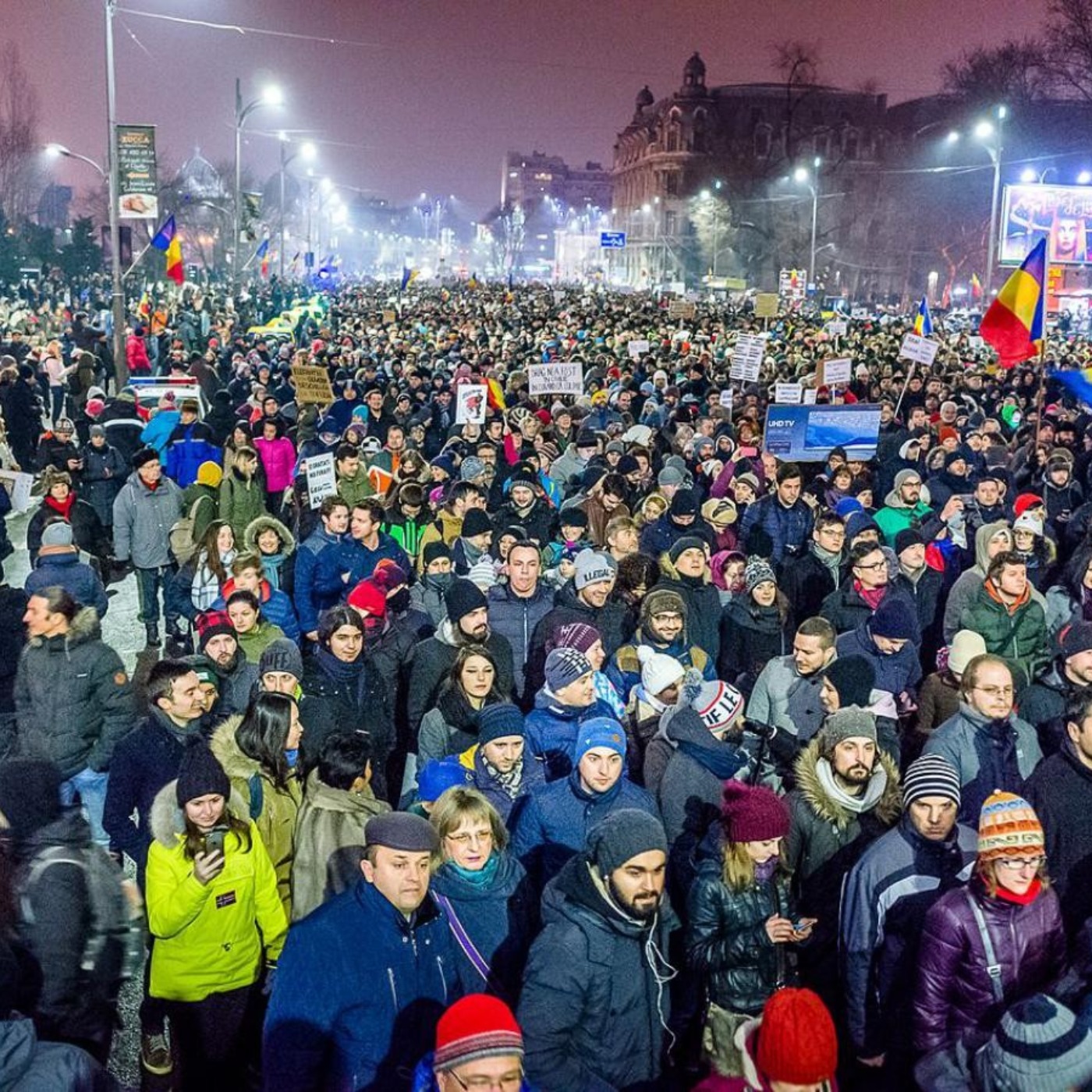
Romanian Presidential Elections
On May 17, the centrist, pro-EU Nicusor Dan narrowly defeated George Simion, a far-right populist, in Romania’s Presidential Election. The bout was the latest in a string of contests that stoked fears for European liberal democracy, the rise of right-wing populism, and Russian meddling. Media inside and outside Romania leaned into the danger a Simion victory posed, and with Dan’s victory, how Romania can serve as the latest European democracy refusing to slide backward. But does this narrative r...
May 26, 2025
Remembering J. Arch Getty
Last week, our friend, mentor, teacher, and comrade, J. Arch Getty, died from his battle with lung cancer. As a way to remember him, here’s an interview I did with Arch in 2017 about his career and scholarship. Guest: J. Arch Getty was a Professor Emeritus of History at the University of California, Los Angeles. Books discussed in this interview: Origins of the Great Purges: The Soviet Communist Party Reconsidered, 1933–1938 , Cambridge University Press The Road to Terror: Stalin and the S...
May 19, 2025
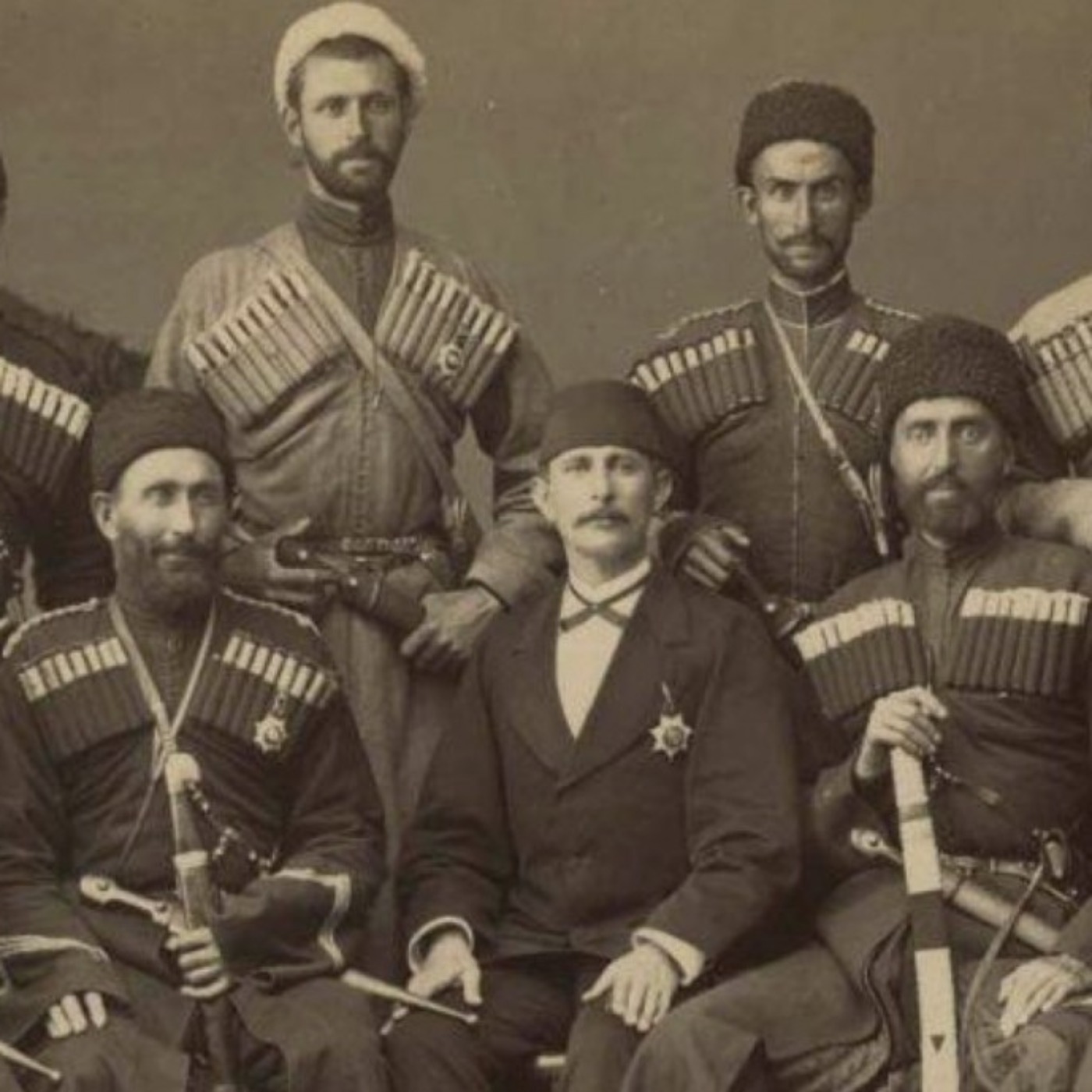
Muslim Refugees in the Ottoman Empire
Between the 1850s and World War I, about one million North Caucasian Muslims fled to the Ottoman Empire. Some, like the Circassians, ran from a Russian perpetrated genocide. Others, like Chechens, Dagestanis, and others the violence of Russian colonization. Obligated by faith to take these refugees, the Ottoman Empire scattered them throughout the Ottoman Balkans, Anatolia, and the Levant, in many cases to balance against its Christian subjects. Most of these villages still exist today, includin...
May 12, 2025
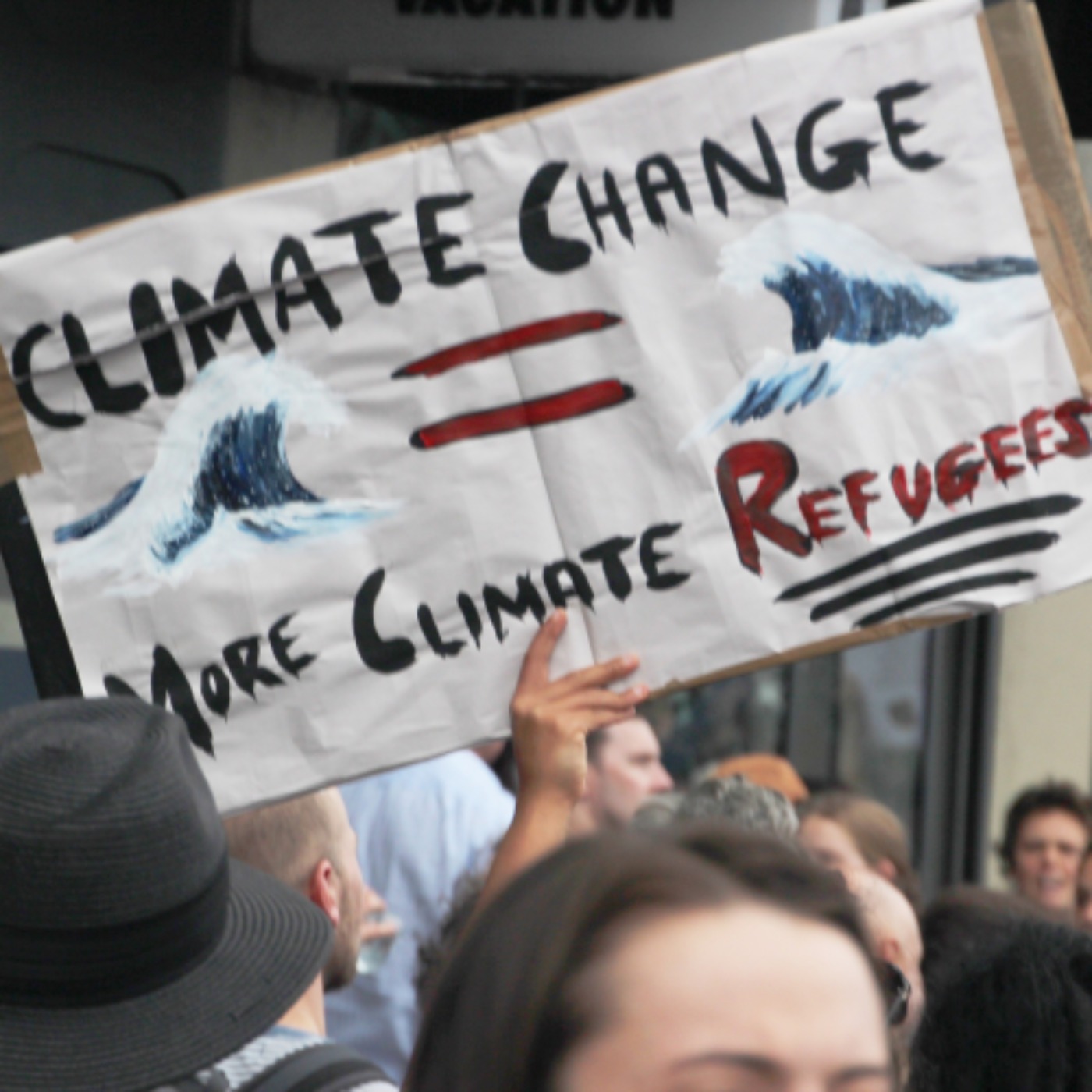
Migration and Climate Change
Few migrants report climate change as a specific push to leave their home. Climate change is more an extra add-on to existing precarity. According to the World Bank, extreme weather, rising sea levels, violence, and resource scarcity will drive 216 million people to seek refuge by 2050. There’s even a buzzword for it: “climigration.” How and why do people move? To what extent is “migration” a business? And how do we accept and integrate migrants into bodily politics rife with ideological polariz...
May 5, 2025
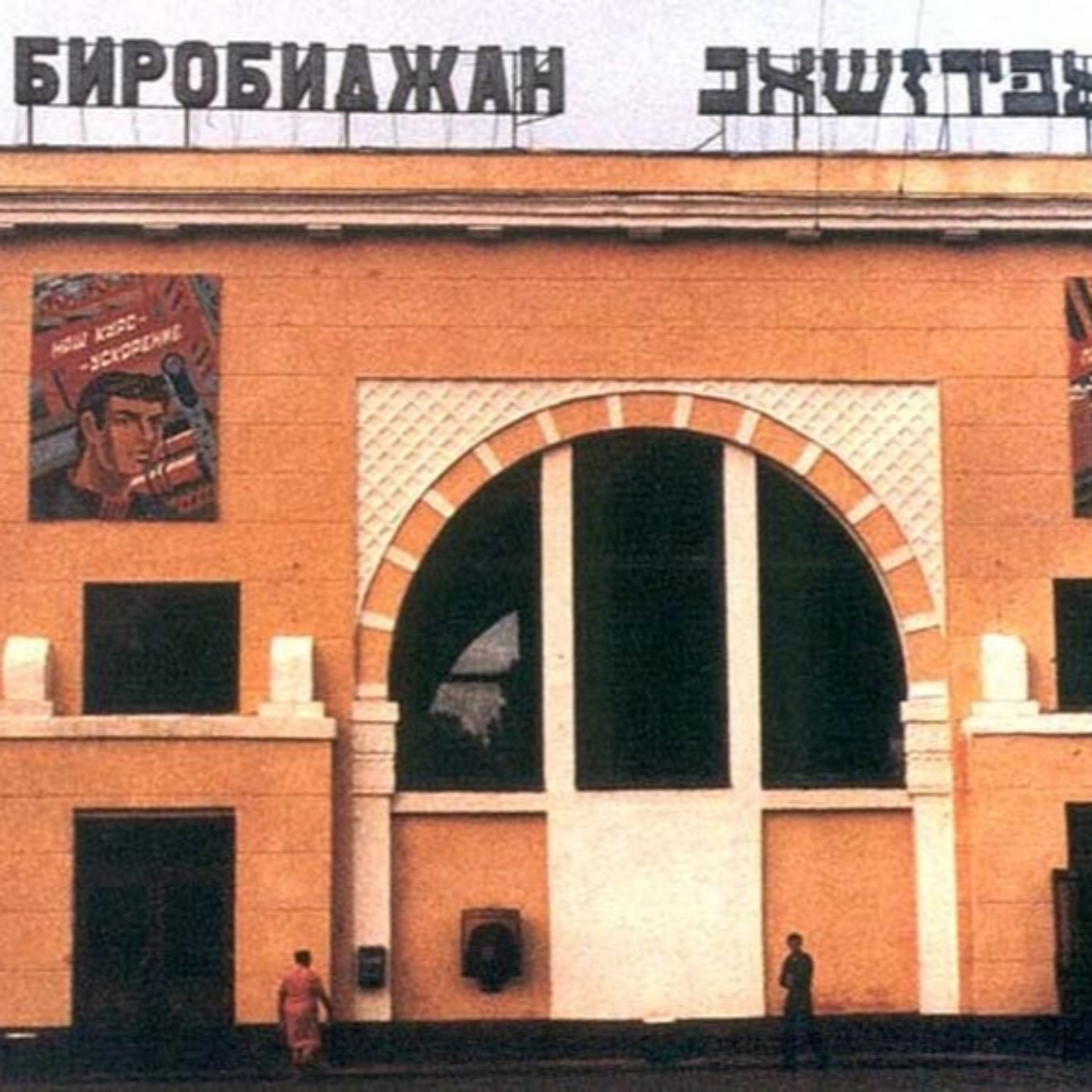
Birobidzhan
Jews presented a particular national problem in the Soviet Union. Though seen as one of the many oppressed minorities in the Russian Empire, there were also a people without a national territory. The lack of Jewish “homeland” in the Soviet Union posed a theoretical problem as well. As Stalin declared, “a common territory is one of the characteristic features of a nation.” How then can Jews be a nation without a territory? Well, you create one. Enter Birobidzhan–an bold experiment to create a Jew...
April 28, 2025
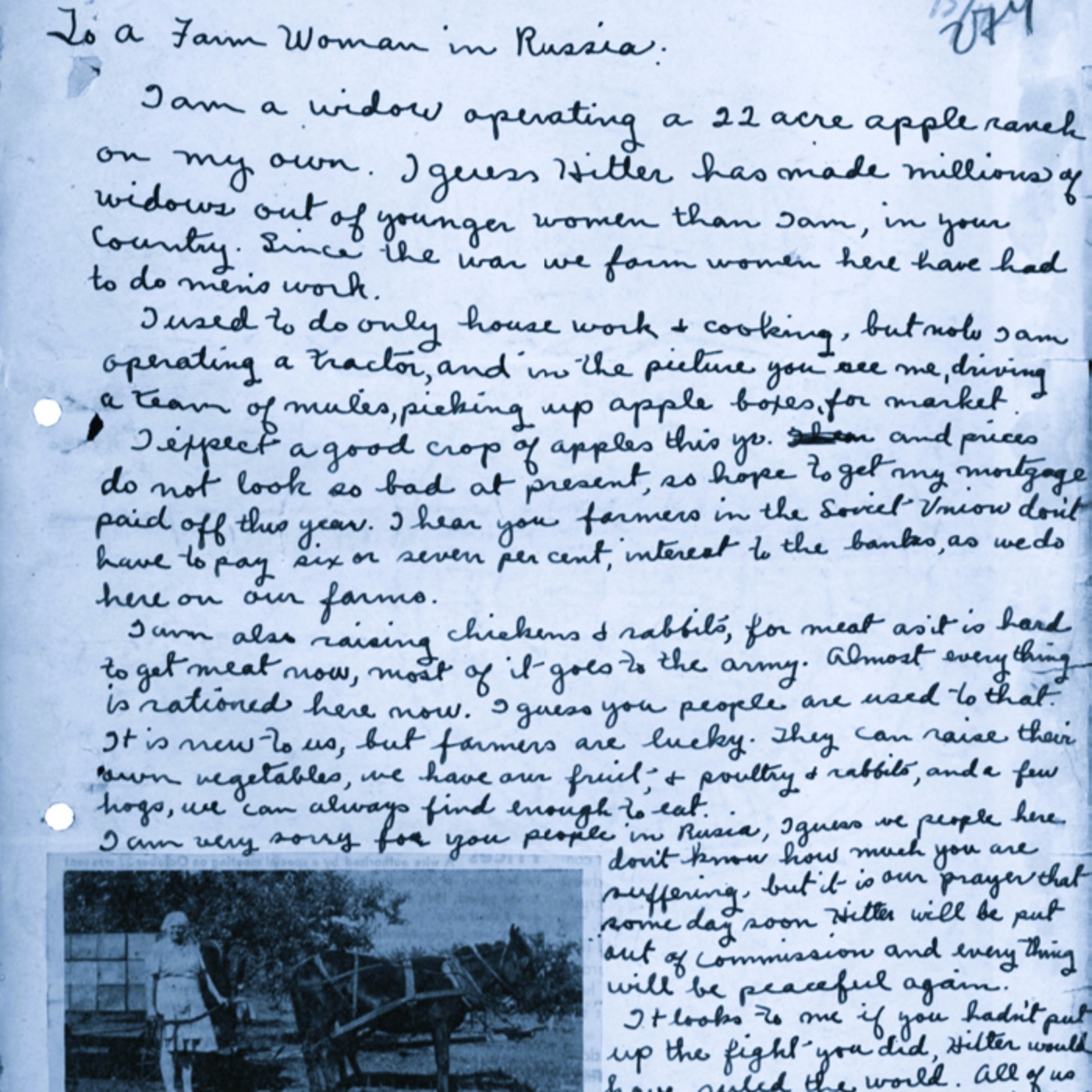
Cold War Pen Pals
During WWII, the Soviet Women’s Antifascist Committee started an experiment–a pen pal campaign with American women to promote the friendship between the United States and the USSR. The program began with fits and starts but eventually gained traction. So much so it continued into the early Cold War even as relations between the two countries quickly soured. Authorities on both sides considered the contact between women fairly safe. American and Soviet women corresponded about the legacy of the w...

April 21, 2025
Ukraine in the Global Food System
Did you know that Ukraine is the fourth largest corn exporter globally? This is not the beginning of a Soviet joke. . . Ukraine plays a crucial role on the world food market. About sixty percent of its exports are agricultural products with destinations in Europe, Asia, and Africa. Ukraine also accounts for around one-sixth of the world wheat and barley markets and a staggering half of the world’s supply of sunflower oil. But Ukrainian agribusiness is under stress. Soviet and post-Soviet legacie...
April 14, 2025
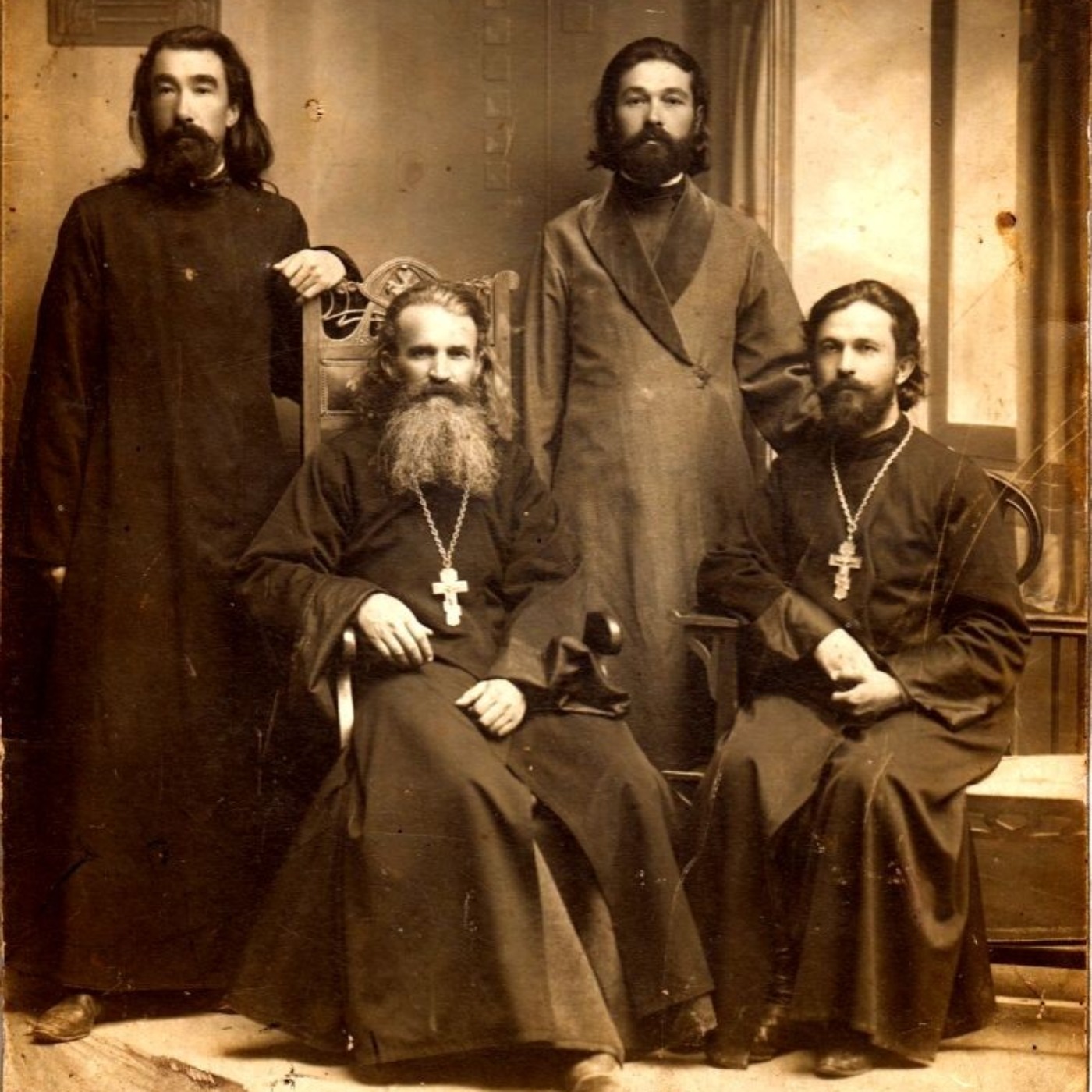
Orthodoxy's Social Gospel
In his memoir of life as a parish Orthodox priest in the 19th century, I. S. Belliustin wrote that the clergy was “humiliated, oppressed, downtrodden, they themselves have already lost consciousness of their own significance.” This is just one of several damning portraits Belliustin paints of his fellow holymen and the flock they tended. It’s an image that stuck, even among historians. But Daniel Scarborough says there’s another, brighter side to the story. Many Russian Orthodox parish priests a...
April 7, 2025
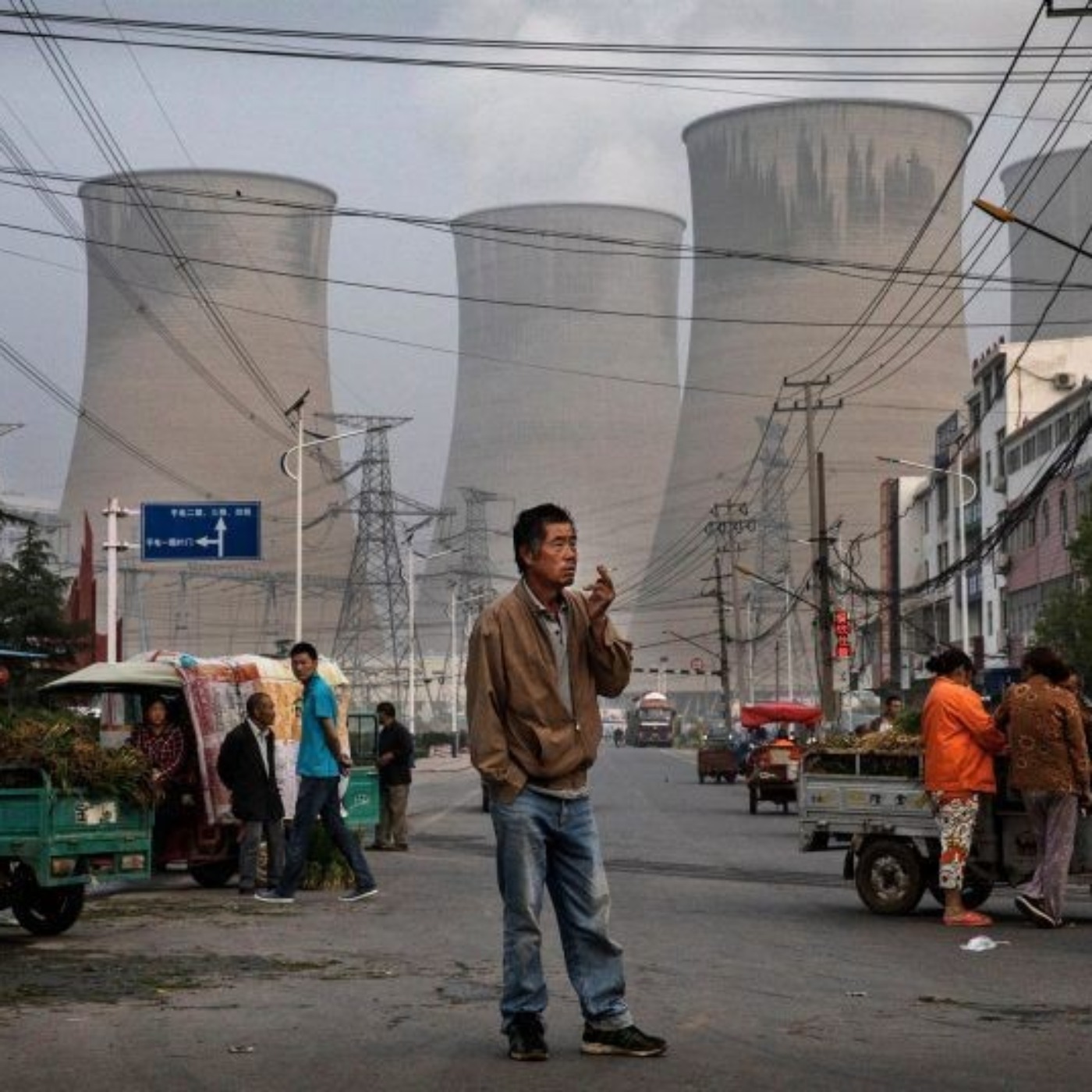
Kicking the Hydrocarbon Habit
One daunting challenge to addressing climate change is to kick our addiction to hydrocarbons. But this is easier said than done. Hydrocarbons remain the fuel of modernity. And a transition to renewable energy requires massive state intervention. How do we get from our carbon-based present to a green future? Especially in regions like Eastern Europe and Chin, that still rely heavily on oil, gas and coal. In this third event in our series, Eurasian Environments, the Eurasian Knot has paired Pawel ...
March 31, 2025
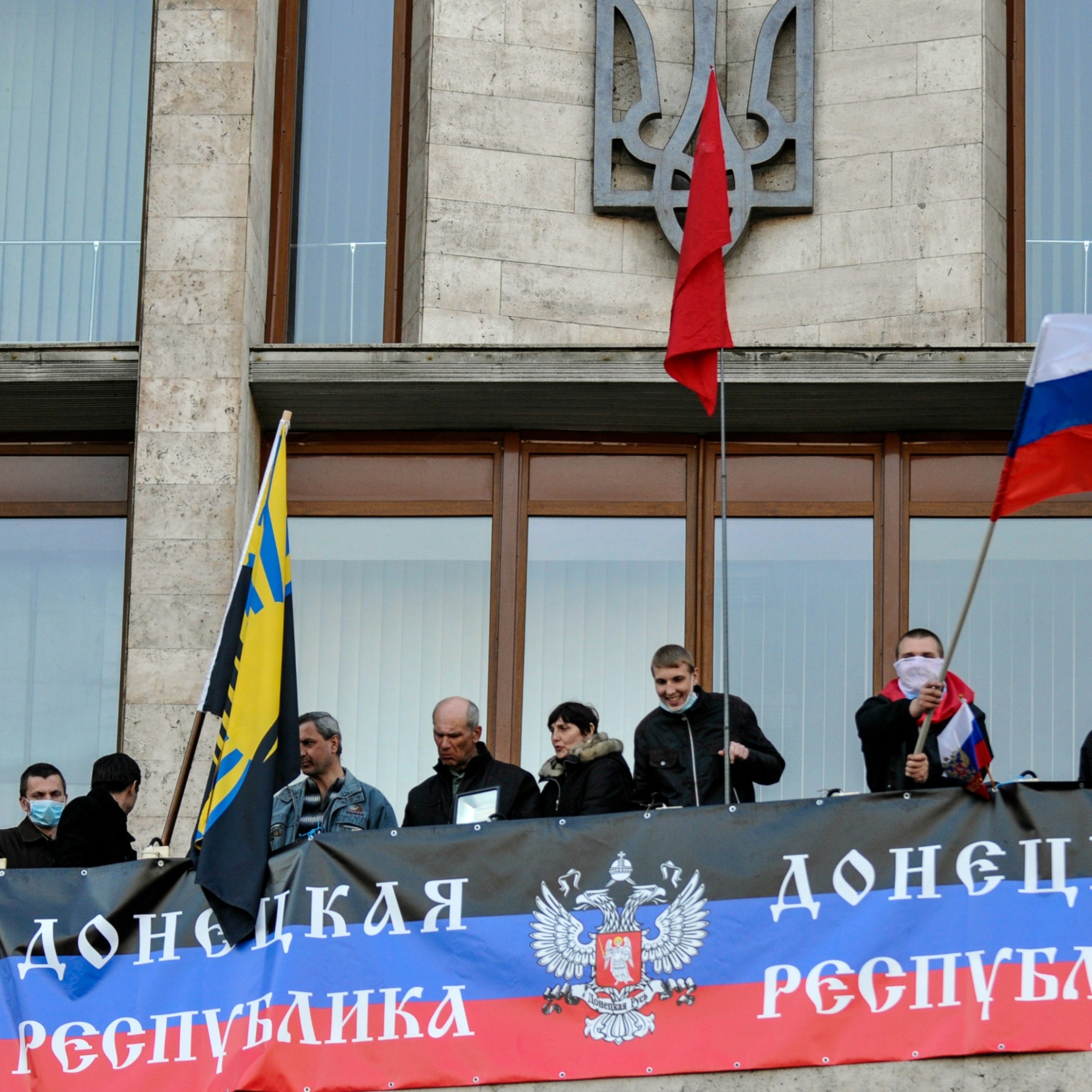
Seizing the Donbas
In 2014, in the wake of the Maidan in Kyiv and Russia’s annexation of Crimea, small groups of Russian-backed militias began seizing towns in the Donbas. The militias quickly declared the creation of two independent republics, the Donbas People’s Republic (DNR) and the Luhansk People’s Republic (LNR). How did this happen? And so quickly? Was it all the work of Russian agents? Or was there some local support? These are just a few of the questions Serhiy Kudelia has been asking for the last decade....
March 24, 2025
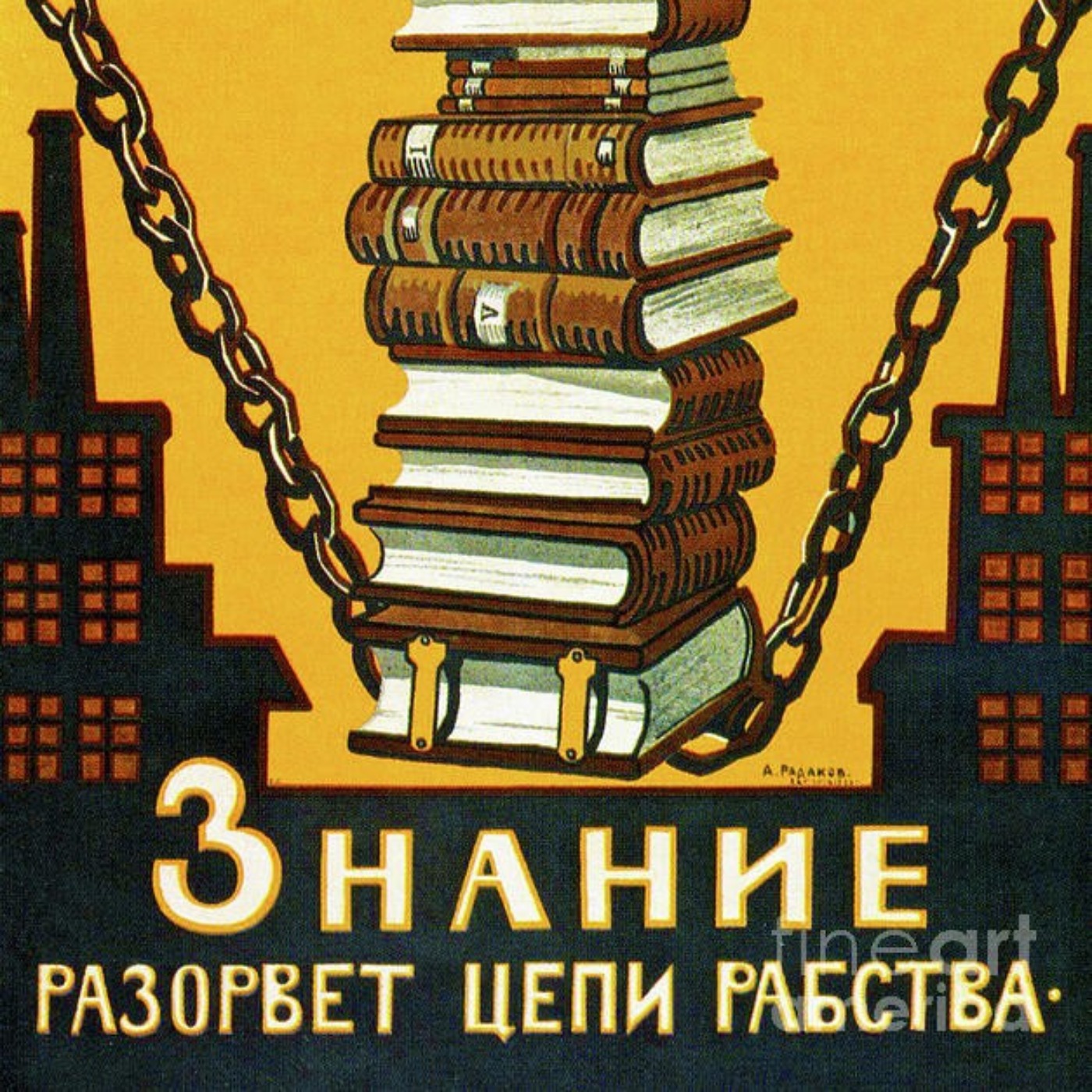
Soviet Modernity
Crucibles of Power: Smolensk under Stalinist and Nazi Rule Showcasing the Great Experiment: Cultural Diplomacy and Western Visitors to the Soviet Union, 1921-1941Crossing Borders: Modernity, Ideology, and Culture in Russia and the Soviet UnionMichael David-Fox began writing Soviet history in a dynamic period. The Soviet Union had just collapsed, archives were flung wide open, and scholars began exploring new ways to conceptualize the Soviet century. And you can read this in David-Fox’s work–a br...
March 17, 2025
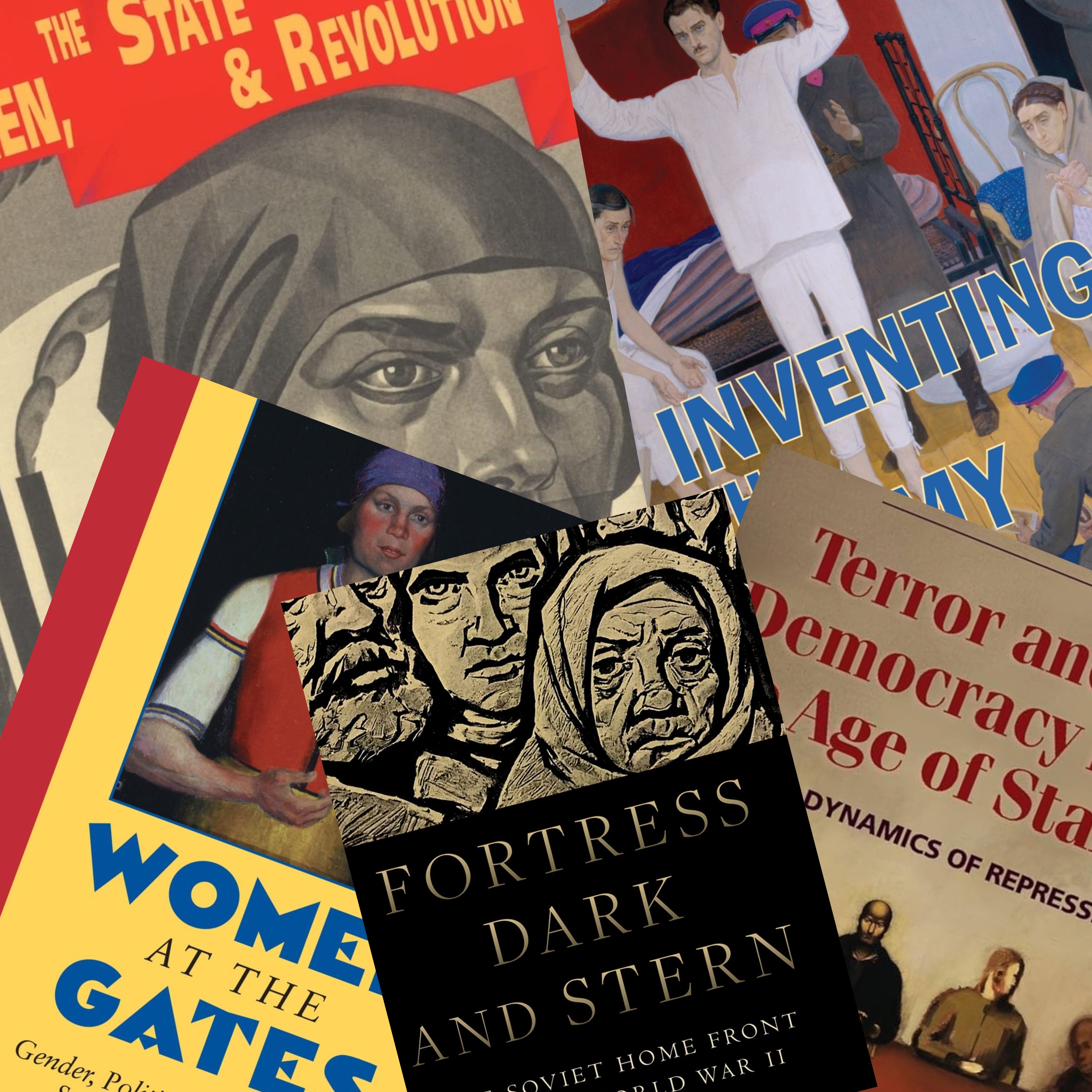
Terror and Democracy in the Soviet Union
Wendy Goldman has researched and written about the Soviet Union for almost 40 years. And her topics have been wide ranging– women, feminism, revolution, labor, political violence, war and survival. But if there is one throughline in her work, it is social history. Goldman is primarily concerned with the experience of working people. Their life worlds. Their trials and tribulations. Their agency in the construction of the Soviet system. Warts and all. The Eurasian Knot spoke to Wendy Goldman in h...
March 10, 2025
Withering Water in Central Asia and East Africa
Water is life. A cliché and undeniable reality. So, what happens when climate change imperils water access? This episode, the second in our Eurasian Environments series, features a discussion with Sarah Cameron and Enda Wangui on water in two far flung regions—the Aral Sea and East Africa. How does the increasing scarcity of water impact these two arid climates? Cameron and Wangui address the environmental challenges in Central Asia and East Africa. They shed light on how colonial legacies disru...
Feb. 17, 2025
Climate Change and Authoritarianism
Debates about climate change and what to do about it occur a perilous political climate. It’s a problem that requires international cooperation. But elected politicians increasingly deny climate change, break global agreements, turn inward, and embrace authoritarianism. It’s a situation that both Eve Darian-Smith and Boris Schneider know well. Darian-Smith has written about the right-wing political responses to climate change, particularly to devastating fires, in the US, Brazil, and Australia. ...
Feb. 10, 2025
Recording Georgians in WWI POW Camps
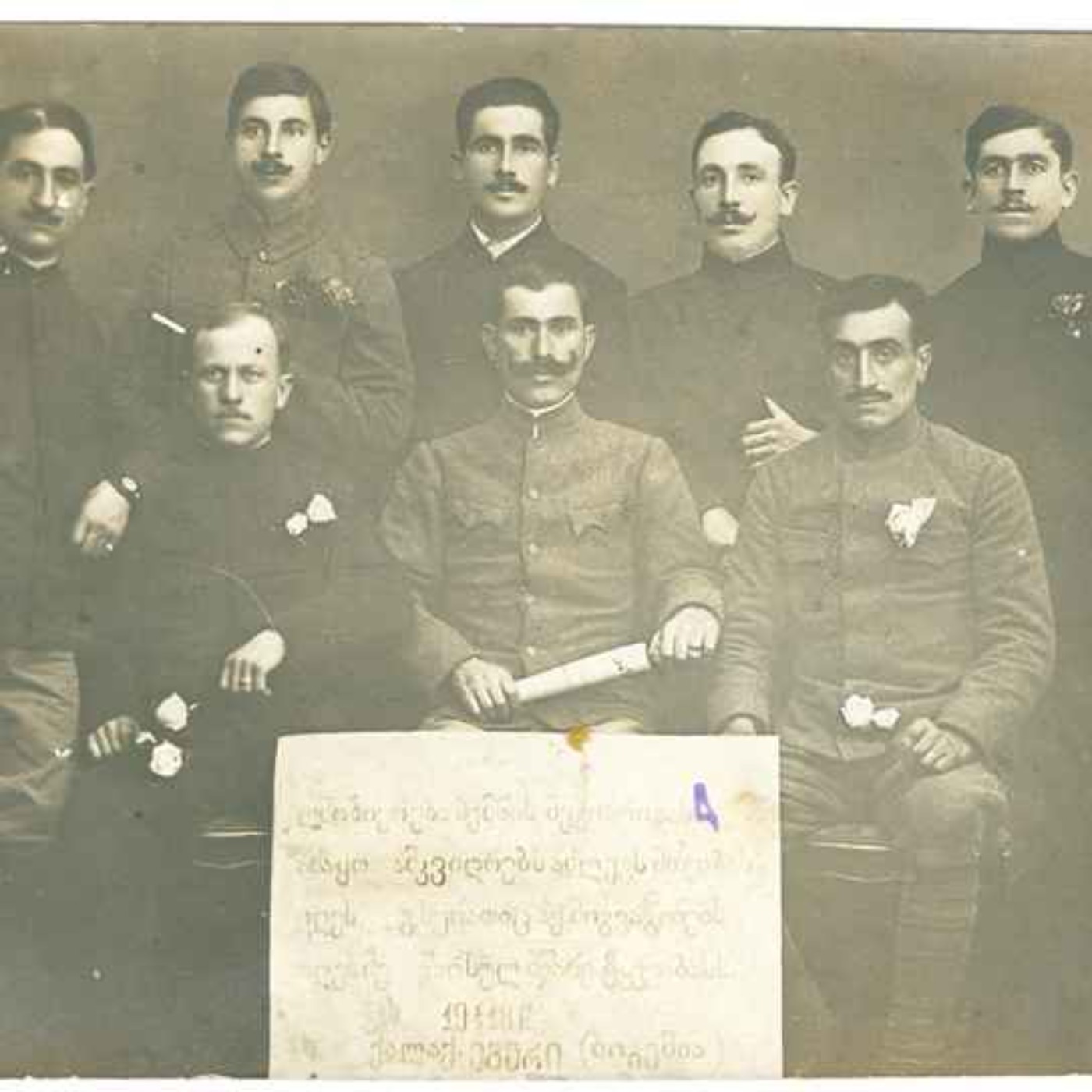
In 1916, the German anthropologist Rudolf Pöch and musicologist Robert Lach set out to the Eger prisoner of war camp with a unique research agenda: to record the language and folk songs of Georgian prisoners from the Russian Empire. The recording equipment was clunky and its recordings scratchy and faint. Nevertheless, Pöch and Lach were doing some innovative recordings, not just in terms of their ethnographic research, but using multi-channel recording to capture Georgian polyphonic singing. Wh...
Feb. 3, 2025
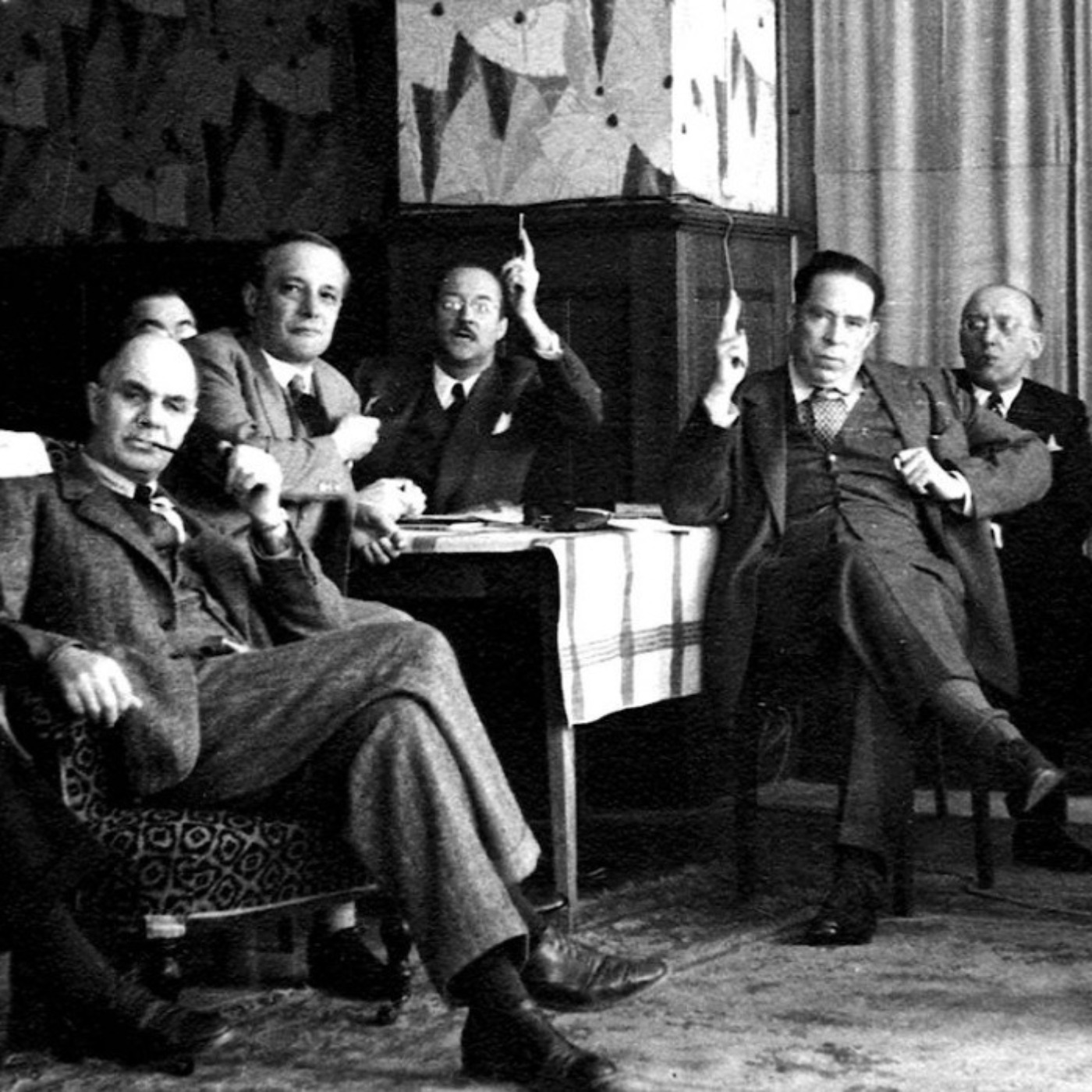
Intellectual Roots of Neoliberalism
Neoliberalism has so many meanings that some say it has no meaning. Nailing down a consensus is also hampered by the fact that no one calls themselves a “neoliberal.” There’s even calls to abandon the term altogether since it’s become more a slur than doctrine needing analysis. Enter Max Trecker. He took the debate over neoliberalism as an opportunity to investigate its intellectual origins in the 1920s and 1930s. What did it mean then? What was neoliberal thought a reaction to? And what would t...
Jan. 27, 2025
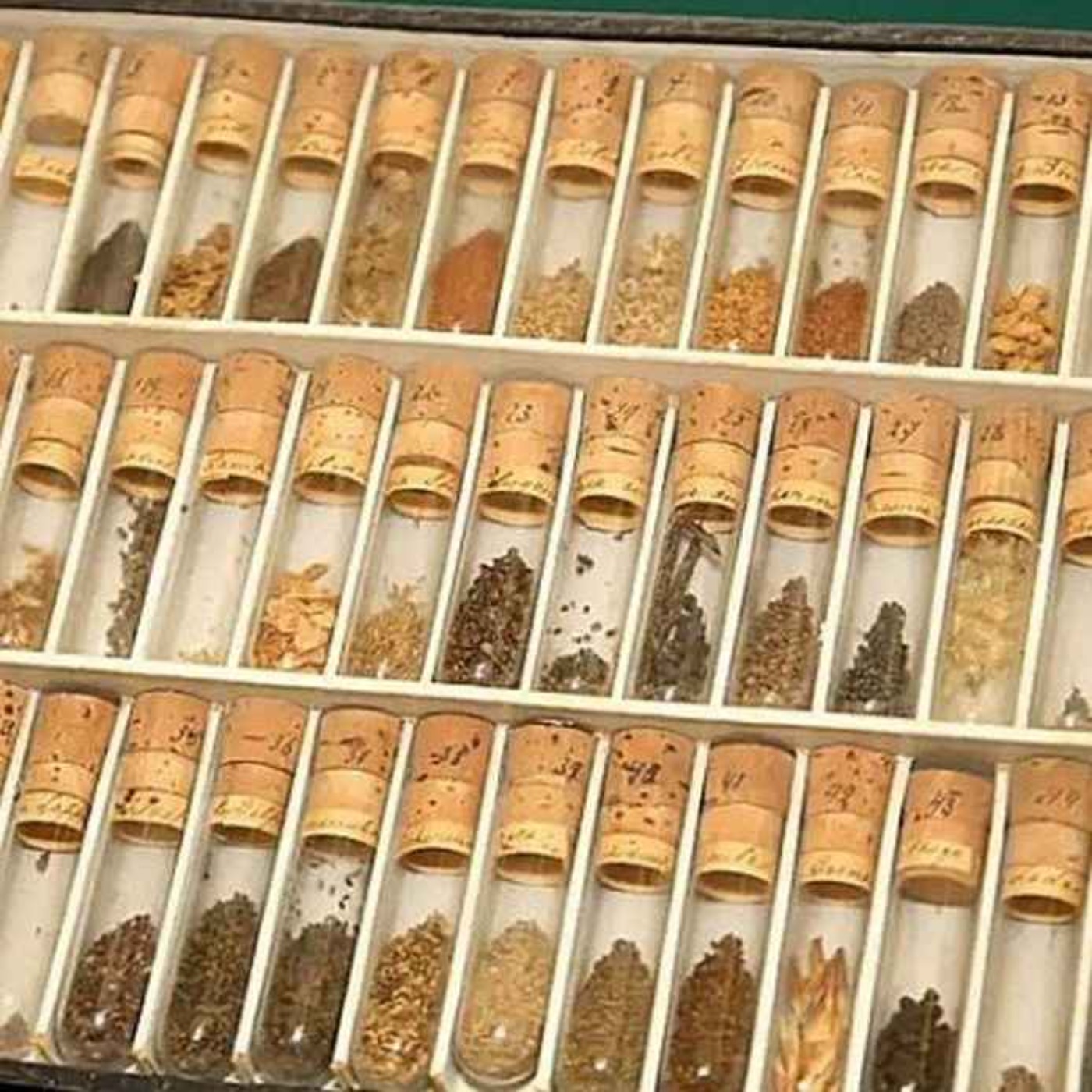
Saving Seeds During the Siege of Leningrad
In 1941, as Nazi forces laid siege to Leningrad, a group of Soviet botanists faced an unthinkable choice: eat their life’s work, a rare seed bank, or starve to death. This is the dilemma at the heart of Simon Parkin’s story about the world's first seed bank and its dedicated botanists. At the heart of this tale is Nikolai Vavilov, a brilliant botanist who traveled five continents collecting specimens before falling victim to Stalin's purges. Through meticulous research and newly accessed archive...

Jan. 20, 2025
Russian Antifa vs Neo-Nazis
Vladimir Kozlov’s new book Shramy (Scars) explores street battles between anti-fascists and neo-Nazi skinheads in Moscow during the late 2000s. Kozlov is no stranger to these subcultures. He’s long been involved in Russian punk. And though he never participated in these street battles himself, his failed attempt to make a documentary about Antifa for Russian television gave him an inside look at the scene. Now, almost two decades later, Kozlov uses Shramy to reflect on the roots of Russian fasci...